


Time to read : 3 Minutes
You aren't imagining it. Property is still very expensive.
House prices may be dropping - data firm Core Logic has said Sydney property prices has recorded its sharpest decrease in 40 years - but ownership can still seem out of reach for many.
Sydney is the most expensive Australia city - the average cost of a house is $1.25m.
Perth's average property price is $550,000, the cheapest of any of our state capitals.
Domain's 2022 report says it will take eight years and one month to save for an entry-level home in Sydney.
What are my options if I want to get on the property ladder sooner?
House prices may be expensive but that doesn't mean ownership is out of reach. Here's the pros and cons of settling for less.
1. Downsize your expectations with a smaller home
Pros:
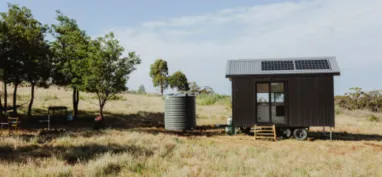
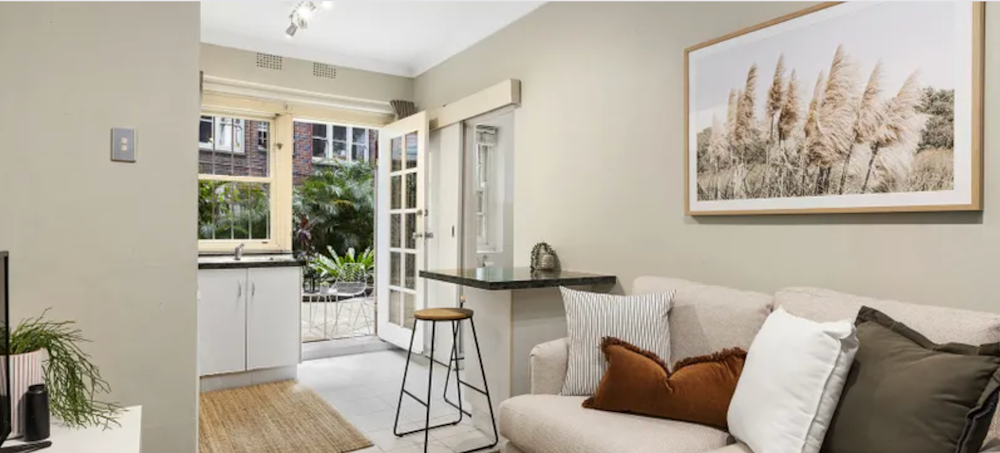
Studios, one bedders and even tiny homes are one way to get yourself into your first property. They're usually much more affordable.
At the time of writing, there were studio apartments in Sydney on sale on RealEstate.com.au for as low as $395,000.
Smaller homes cost a lot less to furnish and utility bills will be lower. According to Expatistan expect to pay around $166 a month for energy.
It's not just money. You'll also save time on cleaning and maintenance.
The smaller the property, the lower the price (in theory). That means your deposit should be lower and lenders may give you access to a lower mortgage rate if they view you as low risk.
Cons:
Smaller homes may mean you'll need to make some compromises.
Don't expect a smaller unit to make you a lot of money. Even in better times, many smaller properties only saw small gains.
Apartments come with additional strata and upkeep fees. This means you will have fees to pay to keep up the building. You will also have to navigate building politics.
Less space, and closer neighbours means that there may be more noise.
Studio apartments definitely aren't ideal for families. It can get very cramped even with if you're a couple.
Tiny homes are considered caravans in Australia according to Aussie Tiny Homes, so you'll need navigate local planning rules.
Be aware: some banks will not give you a mortgage for a property that is smaller than 40sqm and aren't generally interested in anything with a loan under 150K.
Speak to a broker if you're looking for something lower.
2. Move further out to find an affordable home
Pros:
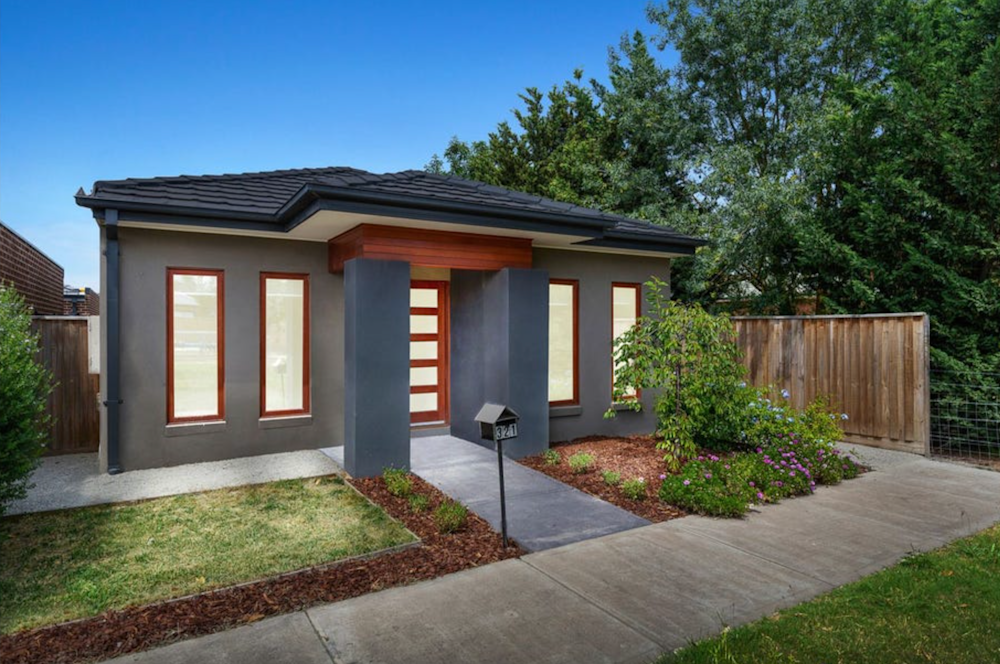
Downsizing your expectations doesn't just mean settling for a smaller property. Many outer suburbs and towns in regional Australia allow you to get more for your money.
At the time of writing, $608k could get you a two bed apartment in St Kilda, Victoria, or you could drive 35 minutes for a three bed property in Officer.
Property in up-and-coming suburbs can still increase in value, especially if there's new commuting links planned.
A less expensive property means a lower mortgage. As with apartments, lenders may view you as less of a risk, meaning you can get a better rate.
Cons:
Location, location, location. There is a reason that everyone says it. Moving into an area you aren't familiar with could create a few issues.
A longer commute can wipe out some of the monthly savings on the mortgage, especially if you're using your car more.
It can take a while to get established in a new area, make new friends and for your children to adjust to a new school.
You may have secured a bigger home at a bargain price but be aware that maintenance costs can add up in the long-term.
The bottom line
Lenders are tightening their criteria for getting home loans, which is forcing people to look at alternative options.
Think about your budget and what you're willing to compromise on. A good mortgage broker can help keep your mind focused on the financials.
Get prepared: buying a property requires you to put in a lot of hard yards. Here's some of the key questions you should ask if you're serious about becoming a homeowner.
Financial Disclaimer:
The information contained on this web page is of general nature only and has been prepared without taking into consideration your objectives, needs and financial situation. You should check with a financial professional before making any decisions.


