


Time to read : 4 Minutes
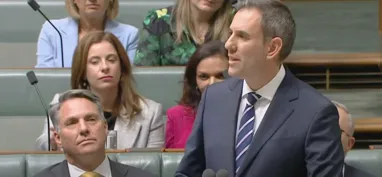
“People are under the pump, which is why we’ve carefully calibrated and designed this budget so that it takes pressure off the cost of living,” Treasurer Jim Chalmers said on Tuesday, before delivering the Federal Budget 2023/2024.
But did it deliver? What does it mean for you?
Depending on your occupation, your income and your personal habits, there was good news and bad news.
But with a focus on cost-of-living relief, healthcare, housing, and clean energy investment the Budget, said Dr Chalmers, aimed to support “a stronger economy and a fairer society”.
Don’t smoke, don’t vape and pay an extra $10 each time you travel overseas
In the winners vs losers debate that raged across most media outlets in the hours following the Budget, smokers and vapers – and even travellers, thanks to the announcement of a $10 each way price increase in the Passenger Movement Charge from $60 to $70, bringing in a net $505 million in additional tax revenue – were filed firmly under ‘L’.
And for the rest? Extended support for single parents, bulk billing relief and a welcome focus on women made the May 2023 Federal Budget a mixed bag.
Patients
For the estimated 6 million Aussies with chronic health conditions, the opportunity to buy two months worth of medicine for the price of a single prescription is positive news. According to the government, concession card holders may save up to $43.80, while general patients could see savings of up to $180 per year, per medication. Community pharmacies will be the beneficiaries, with around $1.2bn in savings set to be reinvested.
Low-Income Renters
The Federal Budget’s forecast for rents? They will continue to rise as the rental market tightens in the remainder of 2023. But a 15 per cent increase in Commonwealth Rent Assistance should help struggling renters, providing up to an additional $31 a fortnight for around 1.1 million eligible households.
Middle-income households
Low-cost loans to the tune of $1 billion will go towards improving the energy efficiency of homes. Think double-glazing and solar panels – for around 110,000 households.
No extension to the Low and Middle Income Tax Offsets. That means workers will receive up to $1500 less at tax return time this financial year.
Eligibility for First Home Guarantee and Regional First Home Buyer Guarantee will expand to any two borrowers jointly applying for a loan – paving the way for siblings, work colleagues and friends to borrow together.
A $4.9 billion across-the-board lift in the JobSeeker (and other income support payments) base rate. The additional $40 per fortnight will take the rate of JobSeeker for a single person from $693.10 to $733.10 from 20 September 2023.
Energy bill relief totalling $3 billion in combined federal and state funding, with up to $500 deducted from the power bills of more than 5 million households receiving welfare support.
High-income earners
If you’ve got more than $3 million in your superannuation, you’ll now be taxed at an increased rate of 30 per cent - up from 15 per cent from 1 July, 2025.
No changes to the stage three tax cuts, which are due to come into effect from 1 July, 2024, removing the 37 per cent marginal tax rate for earnings over $150,000.
Bill payers
This $1.5bn package was originally part of an agreement between the states and Commonwealth in December 2022. The plan - to bring energy prices down - will now flow to more than five million eligible households and one million eligible small businesses.
But for eligible people, including recipients of the family tax benefit A and B, (plus senior card holders and Age Pensioners), don’t expect to see a cash payment into your bank account. Instead, the relief will come in the form of credits that offset power bills. Exactly what amount eligible recipients will get depends on your postcode, with payment rates varying across states and territories.
Small businesses
Businesses with annual turnover of under $10 million will benefit from the $20,000 instant asset write-off for assets installed and used in the 2023-24 financial year.
Up to 3.8 million small and medium-sized businesses will share in $310 million in tax relief through a new Small Business Energy Incentive. There is also the ability to claim a 20 per cent deduction for the cost of eligible depreciating assets to support upgrades to more efficient electrical goods.
Around $23.4 million will protect 15,000 businesses against potential cyber threats.
Power bill rebates for one million small businesses through the jointly-funded Energy Bill Relief Fund. For NSW businesses, $650 in bill relief is available from 1 July, while there is $325 to be saved for Victorian businesses.
Young families
$1.9 billion will be provided to extend the single parenting payment. By lifting the cutoff age for the youngest child from eight to 14, single parent families will have $176.90 extra in their pockets each fortnight.
$18 million will go towards $900,000 grants to build more early childhood education and care centres across the country.
Women
In addition to changes to single parenting payment eligibility, $327 million is allocated for women's safety, including $160 million for support for frontline services in partnership with state and territory governments and $194 million earmarked for a range of Indigenous women's safety programs.
Medicare
Almost 12 million Australians will be able to access free GP visits, thanks to significant investment in the bulk billing scheme.
The increased incentives will be paid to GPs who bulk bill children under 16, pensioners and other concession card holders, and will cover face-to-face consultation and some telehealth appointments.
The bottom line:
Depending who’s commentating, taking from the richer to give to the poorer is good … or bad.


