



Time to read : 3 Minutes
Going Green With Your Groceries Can Save You $1800 A Year
The myth that a healthier, planet-friendly diet will burn a hole in your wallet has well and truly been busted. In fact, average families could save up to $1800 a year by opting for 'greener' groceries, says a Deakin University study.
The university's School of Exercise and Nutrition Sciences has put paid to the expensive-nutritious-food myth, demonstrating that healthier food items aren't only within reach but can also help families save a bundle.
The analysis focused on comparing expenses between a grocery basket reflecting the typical Australian diet and one based on the Planetary Health Diet, which favours fresh produce and, where possible, leaves out ultra-processed foods.
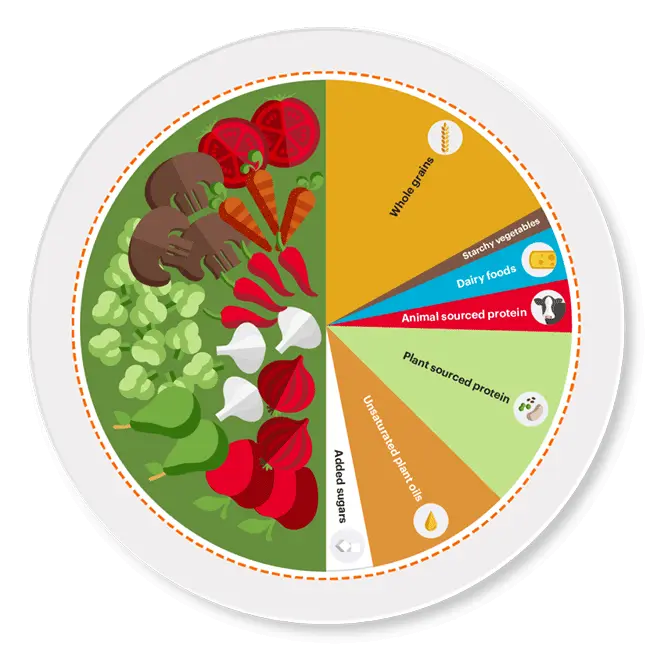
The cost comparison, conducted in metropolitan Coles supermarkets across different socio-economic zones, highlighted the affordability of the Planetary Health Diet.
The healthier option was more cost-effective in each state, metropolitan area, and socio-economic region, says research lead Tara Goulding, who undertook the research as part of her Masters in Human Nutrition.
"A family of two adults and two children could save more than $1800 a year on their household food budget just choosing healthier food based on the Planetary Health Diet,” says Goulding.
“There is often a perception that eating a healthy diet that is also good for the environment is unachievable, partly because it will cost more.
“This study shows that Australians can be confident that it is more affordable to eat a healthy diet that supports the planet compared to what they might typically eat.”
Australians can, indeed, comfortably transition to a healthier diet that is also good for the planet, without straining their household budgets.
Shoppers should look for food items such as:
minimally processed food, sourced from sustainable food systems
brown rice
oats
wholemeal grain bread
fruits and vegetables
nuts
meats
beans and legumes.
“Our research shows that low socio-economic households need to spend 17 per cent of their income on average to eat a healthy and sustainable diet but 21 per cent of their income to eat a typical Australian diet,” says Goulding.
“Households in the higher socio-economic category only need to spend 11 per cent of their income to eat a healthy diet and 13 per cent to eat a typical Australian diet."
These groundbreaking discoveries featured in the Nutrition Journal, and have inspired further conversation around food, health, and environmental sustainability in Australia.
The results should encourage consumers to make healthier and more sustainable choices, knowing that this not only benefits their general health and the planet but also their pocket.
Go deeper: This shopping tip could save you thousands


