


Time to read : 3 Minutes
In March this year, the Government halved the tax they charged on fuel from 44.2 cents to 22.1 cents.
That all ended this week.
😭 The discount was only ever meant to be temporary but it really couldn't have finished at a worse time. Literally everything is costing more right now with inflation sitting at 6.8% right now and it's still expected to climb higher.
🍷 Ironically the only thing that hasn't really gone up is alcohol, it's only had a 0.7% increase.
So what's does inflation mean at the fuel pump?
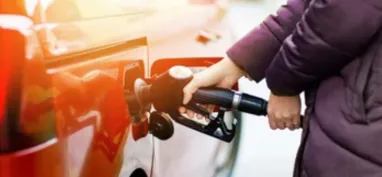
Simply, it means that it is going to cost you more to fill up your car.
Technically fuel should be cheaper for a bit longer because there is 700 million litres of half-price fuel still in the market, but this isn't being reflected at the pump.
You can expect to pay at least 25 cents extra a litre soon. That'll make the average 50 litre tank fill up an extra $12.50 more.
Suppliers can set their own prices at the bowser but they usually fluctuate with the wholesale fuel price.
If you don't look around it is going to be expensive. For example, last week drivers were paying an average 173.9 cents a litre at the pump. This week in Leichhardt, NSW you can get it for 220.9. That's a 47 cent difference - or, on a 50l tank, a $23.50 hike.
How you can manage it ...
There's no hard and fast way to manage the impact of rising fuel prices but here's a roundup of the advice we've seen from trusted sources:
You can download fuel price apps for your phone to help you shop around.
The NRMA recommends travelling at off-peak times, checking your tyres, and not to use your car as a rolling storage unit. All that weight makes it much more expensive to fuel.
Sorry Dad, there isn't really a better day to buy petrol. According to The Australian Competition and Consumer Commission buying at the low point of price cycle will help you get a better deal.
Be aware: in Brisbane right now the low point is every 45 days, so that's not always entirely practical.
The bottom line
The Government has lost about $5.6bn by cutting their fuel excise in half, and they just can't afford to do it any more.
Which means we're going to have to consider our car trips a lot more carefully going forward.
Financial Disclaimer:
The information contained on this web page is of general nature only and has been prepared without taking into consideration your objectives, needs and financial situation. You should check with a financial professional before making any decisions.


